


Healthcare System in Turkey
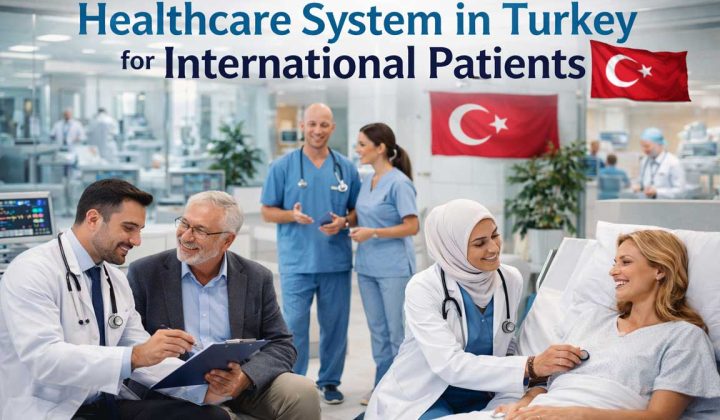
Healthcare system in Turkey is one of the most structured, regulated, and internationally accessible healthcare systems among emerging medical tourism destinations. For international patients—especially those traveling from the United States or Europe—understanding how the system works before arrival significantly reduces uncertainty, anxiety, and potential misunderstandings.
Unlike many countries where healthcare access can be fragmented or difficult for foreigners, the healthcare system in Turkey has been deliberately designed to accommodate international patients. Clear regulations, centralized oversight by the Turkish Ministry of Health, and a strong private healthcare sector allow foreign patients to navigate diagnosis, treatment, and recovery with clarity and confidence.
This guide explains the healthcare system in Turkey step by step, focusing on how foreign patients access care, what types of hospitals exist, how medical tourism is regulated, and what to expect throughout the entire treatment journey.
Structure of the Healthcare System in Turkey
Healthcare system in Turkey operates under a centralized governance model combined with a mixed public–private service structure. This hybrid system allows the state to control quality and safety while enabling private institutions to deliver fast, patient-centered care.
At its core, the system consists of three main pillars: government regulation, public healthcare institutions, and private healthcare providers. Each plays a distinct role, and understanding the differences between them is essential for international patients.

Role of the Turkish Ministry of Health in the Healthcare System
Healthcare system in Turkey is regulated and supervised by the Turkish Ministry of Health (MoH), which acts as the primary authority responsible for healthcare quality, safety, and legal compliance.
The Ministry of Health does not merely issue licenses; it actively monitors hospitals, clinics, medical professionals, and health tourism providers. All hospitals—public or private—must comply with national healthcare regulations, infection control standards, medical ethics laws, and patient rights legislation.
For international patients, this centralized oversight is critical. It ensures that hospitals offering medical treatment to foreigners operate within a legally accountable framework, use approved medical devices, employ licensed physicians, and follow standardized treatment protocols.
Additionally, the Ministry of Health directly regulates health tourism in Turkey, authorizing hospitals and intermediary organizations to treat international patients under medical tourism regulations.
Public Healthcare System in Turkey: An Overview for Foreigners
Healthcare system in Turkey includes a large network of public (state-owned) hospitals that primarily serve Turkish citizens covered by the national social security system.
While foreigners are legally allowed to receive treatment in public hospitals, these institutions are generally not designed for medical tourists. Waiting times can be long, appointment systems may be complex, and international patient services such as language support or personalized care coordination are limited.
Public hospitals typically prioritize emergency care and citizens insured under Turkey’s social security system. For planned procedures, elective surgeries, or specialized treatments, international patients usually find public hospitals less suitable.
As a result, most foreign patients choose private healthcare providers when seeking medical treatment in Turkey.
Private Healthcare System in Turkey: The Preferred Option for International Patients
Healthcare system in Turkey is globally recognized for its advanced private hospitals, which form the backbone of Turkey’s medical tourism success.
Private hospitals in Turkey are purpose-built for efficiency, comfort, and international accessibility. These institutions invest heavily in modern medical technology, patient experience, and multilingual services to meet the expectations of patients from the US and Europe.
Private hospitals typically offer:
- Dedicated international patient departments
- English-speaking doctors and coordinators
- Rapid appointment scheduling
- Personalized treatment planning
- Transparent pricing models
For international patients, private hospitals provide a streamlined experience from the first online consultation to post-treatment follow-up after returning home.
Key Differences Between Public and Private Healthcare in Turkey
Healthcare system in Turkey offers two very different patient experiences depending on whether care is received in a public or private institution.
Aspect | Public Hospitals | Private Hospitals |
Target Patients | Citizens | Citizens & International Patients |
Waiting Times | Long | Short |
Language Support | Limited | Multilingual |
International Patient Services | Rare | Standard |
Medical Tourism | Not Focused | Core Service |
Comfort & Privacy | Basic | High |
This distinction explains why nearly all medical tourists in Turkey choose private healthcare providers.
Healthcare in Turkey for Foreigners: Access and Eligibility
Healthcare system in Turkey for foreigners is open, legal, and well-defined. Foreign patients do not need residency permits or local insurance to receive treatment in private hospitals.
International patients can access healthcare in Turkey through three main pathways:
- Direct contact with private hospitals
- Licensed medical tourism agencies
- Healthcare platforms such as doctorinturkey.com
In most cases, treatment begins with an online medical evaluation. Patients share medical records, imaging results, or test reports, after which doctors prepare a preliminary treatment plan and cost estimate.
Once the patient agrees, appointments are scheduled before travel, ensuring there are no delays upon arrival.
Health Tourism in Turkey: A Regulated Medical Travel System
Healthcare system in Turkey includes a specific legal framework for health tourism, designed to protect international patients and ensure ethical medical practices.
Health tourism in Turkey refers to planned medical travel where treatment is provided by authorized hospitals and coordinated through licensed providers. Hospitals offering health tourism services must meet additional criteria beyond standard healthcare licensing.
These requirements include:
- Dedicated international patient units
- Multilingual documentation
- Transparent pricing policies
- Post-treatment follow-up procedures
This regulated system distinguishes Turkey from many other medical tourism destinations where oversight may be limited.
Quality Standards and International Accreditations in Turkey
Healthcare system in Turkey meets internationally recognized quality standards, making it a trusted destination for complex medical procedures.
Many private hospitals hold Joint Commission International (JCI) accreditation, which is considered the gold standard for global healthcare quality. JCI accreditation confirms that hospitals meet strict requirements related to patient safety, clinical governance, and operational excellence.
In addition to JCI, Turkish hospitals often comply with ISO quality management standards and European medical regulations, further reinforcing trust for US and EU patients.

Medical Professionals and Physician Training in Turkey
Healthcare system in Turkey is supported by a highly qualified medical workforce. Physicians undergo rigorous education and specialization processes, comparable to European and American medical training systems.
Many Turkish doctors:
- Graduate from internationally recognized medical schools
- Complete residency programs in Europe or the US
- Participate in international conferences and certifications
For international patients, this level of training ensures that medical expertise aligns with global expectations.
Medical Technology and Hospital Infrastructure
Healthcare system in Turkey has benefited from significant investment in medical technology and hospital infrastructure over the last two decades.
Private hospitals in major cities such as Istanbul, Ankara, and Izmir feature:
- Robotic-assisted surgery systems
- Advanced imaging (MRI, CT, PET-CT)
- Digital patient record systems
- AI-supported diagnostics
This technological capacity allows Turkish hospitals to perform advanced procedures across fields such as cardiology, oncology, orthopedics, cosmetic surgery, and fertility treatment.
Cost of Medical Treatment Within the Healthcare System in Turkey
Healthcare system in Turkey is widely recognized for offering high-quality medical care at significantly lower costs compared to the United States and Western Europe.
The affordability of healthcare in Turkey does not result from lower standards but from structural economic factors, including favorable exchange rates, government incentives for health tourism, and lower operational costs.
Region | Relative Cost Level |
United States | Very High |
Western Europe | High |
Turkey | Moderate |
Despite lower costs, treatment quality and safety remain comparable to international standards.

Patient Rights and Legal Protection for Foreigners in Turkey
Healthcare system in Turkey guarantees strong patient rights protected by law, regardless of nationality.
International patients have the right to:
- Receive clear medical information
- Provide informed consent
- Access medical records
- Maintain confidentiality
- File complaints through official channels
These rights are enforced under Turkish healthcare legislation and monitored by the Ministry of Health.
Practical Guidance for International Patients Traveling to Turkey
Healthcare system in Turkey is designed to support international patients beyond medical treatment alone.
Most private hospitals and medical tourism providers assist with:
- Visa guidance (tourist or medical visa)
- Airport transfers
- Hotel arrangements
- Local transportation
Language barriers are minimized through professional interpreters and English-speaking staff.
Role of doctorinturkey.com Within the Healthcare System in Turkey
Healthcare system in Turkey can appear complex to first-time visitors. doctorinturkey.com serves as a transparent guide by helping international patients understand options, compare providers, and navigate the treatment process safely.
Through doctorinturkey.com, patients receive:
- Verified hospital and doctor matching
- Clear explanations of treatment pathways
- Ethical guidance without medical pressure
- Ongoing support before, during, and after treatment
Patient Journey Within the Healthcare System in Turkey
Healthcare system in Turkey is structured in a way that allows international patients to follow a clear, predictable, and professionally managed treatment journey. Unlike many destinations where patients must independently coordinate appointments, tests, and logistics, Turkey’s system—especially within the private sector—offers an integrated pathway from first contact to post-treatment follow-up.
Understanding this journey in advance helps international patients set realistic expectations and feel confident at every stage of the process.
Step 1: Initial Medical Inquiry and Online Evaluation
Healthcare system in Turkey allows international patients to begin their medical journey remotely, before traveling. This step typically starts with an online inquiry through a hospital, licensed medical tourism agency, or a trusted platform such as doctorinturkey.com.
At this stage, patients are asked to share relevant medical documents, such as:
- Medical reports
- Imaging results (MRI, CT, X-rays)
- Blood test results
- Previous diagnoses or treatment history
Doctors in Turkey review these documents and determine whether treatment is appropriate, what options are available, and whether additional tests are required upon arrival.
This remote evaluation significantly reduces uncertainty and prevents unnecessary travel.
Step 2: Personalized Treatment Plan and Cost Transparency
Healthcare system in Turkey emphasizes treatment planning and cost clarity for international patients. Once medical records are reviewed, physicians prepare a personalized treatment plan tailored to the patient’s condition.
This plan typically includes:
- Recommended medical procedure or therapy
- Estimated treatment timeline
- Required hospital stay
- Recovery expectations
- Transparent cost estimate
Unlike healthcare systems where pricing is unclear until after treatment, Turkey’s private healthcare providers usually present costs upfront, allowing patients to make informed decisions before committing.

Step 3: Travel Planning and Pre-Arrival Coordination
Healthcare system in Turkey supports international patients not only medically but logistically. Once the patient confirms treatment, coordination begins before travel.
Most providers assist with:
- Appointment scheduling
- Travel date alignment with treatment availability
- Guidance on visa requirements
- Airport pickup arrangements
For many international patients, this coordination removes the stress of navigating a foreign healthcare system independently.
Step 4: Arrival in Turkey and Hospital Admission
Healthcare system in Turkey ensures that international patients receive immediate assistance upon arrival. Patients are typically met at the airport and transferred directly to their hotel or hospital.
On admission day, the process usually includes:
- In-person medical consultation
- Physical examination
- Confirmation or repetition of diagnostic tests
- Final treatment confirmation
Because appointments are pre-scheduled, waiting times are minimal, and treatment generally begins as planned.
Step 5: Medical Treatment and Hospital Stay
Healthcare system in Turkey delivers treatment within modern, fully equipped hospitals that meet international standards. During treatment, patients are cared for by multidisciplinary teams that include doctors, nurses, anesthesiologists, and patient coordinators.
Hospitals prioritize:
- Patient safety
- Clear communication
- Comfort and privacy
- Continuous monitoring
International patients are informed at each stage of treatment, and consent is obtained before any medical intervention.
Step 6: Recovery, Discharge, and Aftercare Planning
Healthcare system in Turkey places strong emphasis on post-treatment care. Before discharge, patients receive detailed aftercare instructions, prescriptions, and follow-up schedules.
For patients returning abroad, aftercare planning may include:
- Remote follow-up consultations
- Written medical reports in English
- Guidance for recovery at home
This continuity of care is a key reason many patients choose Turkey for medical treatment.

Responsibilities Within the Healthcare System in Turkey
Healthcare system in Turkey functions smoothly because responsibilities are clearly divided between institutions and patients.
Responsibility Area | Healthcare Provider | Patient |
Medical Evaluation | ✔ | ✔ (provide records) |
Treatment Planning | ✔ | ✔ (approval) |
Legal Compliance | ✔ | — |
Travel Arrangements | ✔ (support) | ✔ (final decisions) |
Informed Consent | ✔ | ✔ |
Post-Treatment Care | ✔ | ✔ |
This clarity minimizes misunderstandings and enhances trust throughout the process.
Legal Framework and Regulation of Healthcare in Turkey
Healthcare system in Turkey operates under a robust legal framework designed to protect patient safety and ethical medical practice.
All healthcare providers must comply with:
- Turkish Medical Deontology Regulations
- Patient Rights Regulation
- Ministry of Health health tourism directives
Hospitals offering services to international patients are subject to additional inspections, ensuring compliance with international healthcare standards.
Ethical Standards and Medical Transparency
Healthcare system in Turkey emphasizes ethical medical decision-making. Physicians are legally obligated to recommend treatments based on medical necessity rather than commercial interest.
Patients must be:
- Fully informed about risks and alternatives
- Given adequate time to ask questions
- Allowed to refuse or postpone treatment
This ethical framework is particularly important for international patients unfamiliar with the local system.
Healthcare Infrastructure Across Major Turkish Cities
Healthcare system in Turkey is geographically well-distributed, with advanced medical facilities in major cities.
Healthcare System in Istanbul: Medical Tourism and Accredited Private Hospitals
Istanbul is the leading hub for medical tourism, hosting the highest number of internationally accredited private hospitals.
Healthcare System in Ankara: Academic, Research-Based, and Specialized Medical Care
As the capital, Ankara offers strong academic and research-based medical institutions.
Healthcare System in Izmir: Rehabilitation, Fertility, and Elective Treatments
Izmir is popular for rehabilitation, fertility treatments, and elective procedures due to its coastal location and modern hospitals.
Healthcare System in Antalya: Health Tourism, Recovery, and Resort-Based Medical Care
Antalya has become an important center for health tourism in Turkey, especially for international patients combining medical treatment with recovery in a resort environment. The city is well known for private hospitals specializing in dental treatments, cosmetic procedures, orthopedics, and rehabilitation, supported by modern healthcare facilities and strong international patient services.
Healthcare System in Turkey
Healthcare system in Turkey is considered safe and reliable. Hospitals are regulated by the Ministry of Health and many hold international accreditations such as JCI.
Yes. Healthcare system in Turkey allows private, self-pay treatment without local insurance requirements.
In many specialties, outcomes within the healthcare system in Turkey are comparable to Western countries due to advanced technology and physician expertise.
No. Private hospitals routinely provide English-speaking staff and professional interpreters.
Length of stay depends on the procedure. Providers within the healthcare system in Turkey clearly communicate expected timelines before travel.
Yes. Remote follow-up is common within the healthcare system in Turkey, especially for international patients.
Many private hospitals within the healthcare system in Turkey hold JCI and ISO certifications.
Most patients can receive treatment under a tourist visa, but medical visas are available when required.
Yes. Emergency care is universally accessible within the healthcare system in Turkey.
Patients are encouraged to use verified platforms such as doctorinturkey.com or consult Ministry of Health listings.
Official Sources and References on the Healthcare System in Turkey
Turkish Ministry of Health – Health Tourism Regulations
https://www.healthtourismturkiye.gov.tr
(Official health tourism regulations and guidelines published by the Turkish Ministry of Health)Republic of Türkiye, Directorate of Health Services
https://www.saglik.gov.tr
(Official healthcare policies, hospital regulations, and patient rights in Turkey)World Health Organization (WHO) – Turkey Health System Profile
https://www.who.int/countries/tur
(Comprehensive overview of the Turkish healthcare system by the World Health Organization)Joint Commission International (JCI) – Accredited Organizations
https://www.jointcommissioninternational.org/about-jci/jci-accredited-organizations
(List of internationally accredited hospitals and healthcare organizations in Turkey)OECD Health Statistics – Turkey
https://www.oecd.org/health/health-data.htm
(Comparative healthcare data and statistics related to Turkey’s health system)