

-
by Doctor in Turkey
- 01/01/2026
- 0 Comments
Dental implants in Turkey have become a globally recognized solution for patients seeking safe, durable, and aesthetically pleasing tooth replacement. With advancements in implantology, dental implants now offer a predictable and long-lasting alternative to traditional bridges and dentures. Turkey has emerged as a leading destination for implant treatments by combining advanced technology, internationally accredited dental clinics, and highly experienced specialists.
This article provides a comprehensive medical and technical overview of dental implants, explaining how they work, their biological principles, long-term durability, and why implant treatment in Turkey attracts patients from all over the world.
What Are Dental Implants?
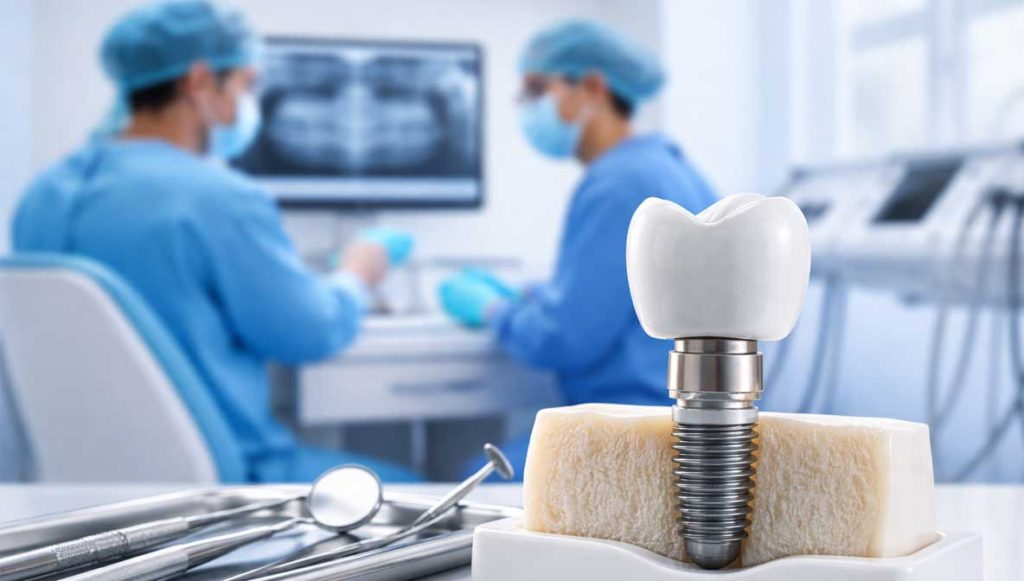
Dental implants are artificial tooth roots designed to replace missing natural teeth. They are surgically placed into the jawbone and serve as a stable foundation for fixed dental restorations such as crowns, bridges, or full-arch prostheses. From a medical perspective, implants restore both the function and structure of the oral cavity by replacing the missing tooth root and crown together.
Unlike conventional dental bridges, implants do not rely on neighboring teeth for support. This preserves healthy tooth structure and helps maintain the integrity of the jawbone. When a natural tooth is lost, the surrounding bone begins to resorb due to lack of stimulation. Dental implants prevent this bone loss by transferring chewing forces directly to the jawbone.
Dental implants are commonly used in the following situations:
- Replacement of a single missing tooth
- Multiple missing teeth
- Fully edentulous jaws (e.g., All-on-4 or All-on-6 concepts)
- Stabilization of removable dentures
- Congenital absence of teeth
How Do Dental Implants Work?
The functionality of dental implants is based on biomechanical and biological principles. Once placed into the jawbone, the implant acts as an artificial root that integrates with the surrounding bone. After healing, it provides a secure anchor for the prosthetic tooth.
In modern dental implant treatments in Turkey, advanced diagnostic tools such as 3D cone-beam computed tomography (CBCT) and digital planning software are routinely used. These technologies allow precise implant positioning, optimizing stability and long-term success.
One of the key advantages of dental implants is their ability to transmit chewing forces naturally. During biting and chewing, forces are evenly distributed through the implant into the jawbone, closely mimicking natural tooth function. This helps preserve bone density and ensures long-term oral health.
Functional benefits include:
- High chewing efficiency
- Excellent stability
- Preservation of jawbone structure
- No damage to adjacent teeth
What Are Dental Implants Made Of?
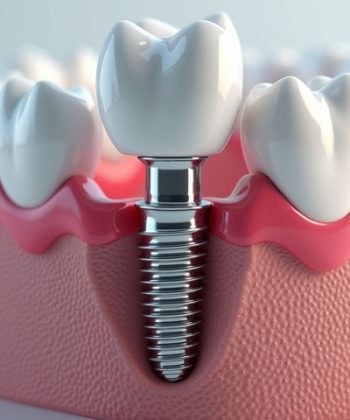
A dental implant system consists of three main components that work together as a single functional unit:
| Component | Function |
| Implant body | Artificial tooth root placed in the bone |
| Abutment | Connector between implant and crown |
| Crown | Visible tooth replacement |
The implant body is typically made of medical-grade titanium due to its strength, corrosion resistance, and excellent biocompatibility. The abutment connects the implant to the crown and plays a crucial role in both function and aesthetics. The crown is usually made of ceramic or zirconia to closely match the appearance of natural teeth.
In dental implant procedures in Turkey, digitally designed and custom-made abutments and crowns are commonly used to achieve optimal fit and natural-looking results.
What Is Osseointegration?
Osseointegration is the biological process through which the implant becomes firmly anchored in the jawbone. During this process, bone cells grow directly onto the surface of the implant, creating a strong and stable connection without any intervening soft tissue.
Titanium is particularly well suited for osseointegration due to the formation of a biocompatible oxide layer on its surface. Modern implant surfaces are specially treated to enhance bone attachment and accelerate healing.
Typical healing times are:
- Lower jaw: approximately 2–3 months
- Upper jaw: approximately 3–6 months
In selected cases, immediate loading protocols may be applied when sufficient primary stability is achieved.
Are Dental Implants a Biocompatible Treatment?
Yes. Dental implants are among the most biocompatible medical devices used today. Titanium has been extensively studied and is widely accepted by the human body. It does not trigger immune rejection and rarely causes allergic reactions.
For patients with metal sensitivities, zirconia implants offer a metal-free alternative with excellent biological and aesthetic properties. Both options are available in modern implant clinics in Turkey.
Long-term clinical studies consistently report success rates exceeding:
- 98% after 5 years
- 95% after 10 years
These outcomes demonstrate the high reliability and safety of dental implant therapy.
Do Dental Implants Feel Like Natural Teeth?
Dental implants provide a level of comfort and function very close to that of natural teeth. Because they are fixed in the jawbone, they do not move or slip during eating or speaking. Patients can chew confidently and enjoy a wide variety of foods without restrictions.
From an aesthetic standpoint, modern ceramic and zirconia crowns are designed to match natural teeth in color, shape, and translucency. This ensures that implants blend seamlessly with the surrounding dentition and appear completely natural.
Are Dental Implants a Long-Term Solution?
With proper care, dental implants can last for decades and often for a lifetime. Their longevity depends on several factors, including oral hygiene, overall health, lifestyle habits, and regular dental check-ups.
Although implants themselves cannot decay, the surrounding gum tissue must remain healthy to prevent peri-implant diseases. Good oral hygiene and professional maintenance are essential for long-term success.
Scientific and Clinical Foundations of Dental Implants
Modern implant dentistry is built on decades of scientific research, beginning with the discovery of osseointegration by Professor Per-Ingvar Brånemark. Since then, implant materials, surface technologies, and surgical techniques have continuously evolved.
Today, dental implants in Turkey follow the same international clinical guidelines and evidence-based protocols used worldwide. Many clinics operate with globally recognized certifications and experienced specialists trained according to international standards.
Frequently Asked Questions About Dental Implants
What are dental implants and how do they work?
Dental implants are artificial tooth roots placed in the jawbone to support fixed dental restorations. They function like natural teeth by transmitting chewing forces to the bone.
Can dental implants be rejected by the body?
No. Dental implants are not rejected. Titanium is biocompatible and well accepted by the body.
How long does osseointegration take?
Typically between 2 and 6 months, depending on bone quality and location.
Do dental implants feel natural?
Yes. Most patients report that implants feel very similar to natural teeth.
Is everyone a candidate for dental implants?
Most patients are suitable candidates, though certain medical conditions require individual assessment.
Is the implant procedure painful?
The procedure is performed under local anesthesia and is generally well tolerated.
How long do dental implants last?
With proper care, they can last several decades or longer.
How do implants differ from bridges or dentures?
Implants replace the tooth root and do not affect adjacent teeth.
Does smoking affect implant success?
Yes. Smoking significantly increases the risk of complications.
How should dental implants be cared for?
Daily oral hygiene and regular professional check-ups are essential.
Can dental implants become loose?
This is rare and usually related to infection or poor maintenance.
Do dental implants look natural?
Yes. Modern implant crowns are designed to closely replicate natural teeth.